How Product Design Evolves with Your Business

When a company brings an existing service online, the first version of the product usually focuses on a few core tasks.
The challenge is deciding what customers need from that first release and what can wait until the team has learned more from actual use.
Over time, the product can expand. The company introduces new services, learns from customer behavior and discovers opportunities it could not fully anticipate at the beginning. Design decisions that worked for the first version may need to be reconsidered as the product develops.
We have experienced this firsthand through our work with Punto Pago
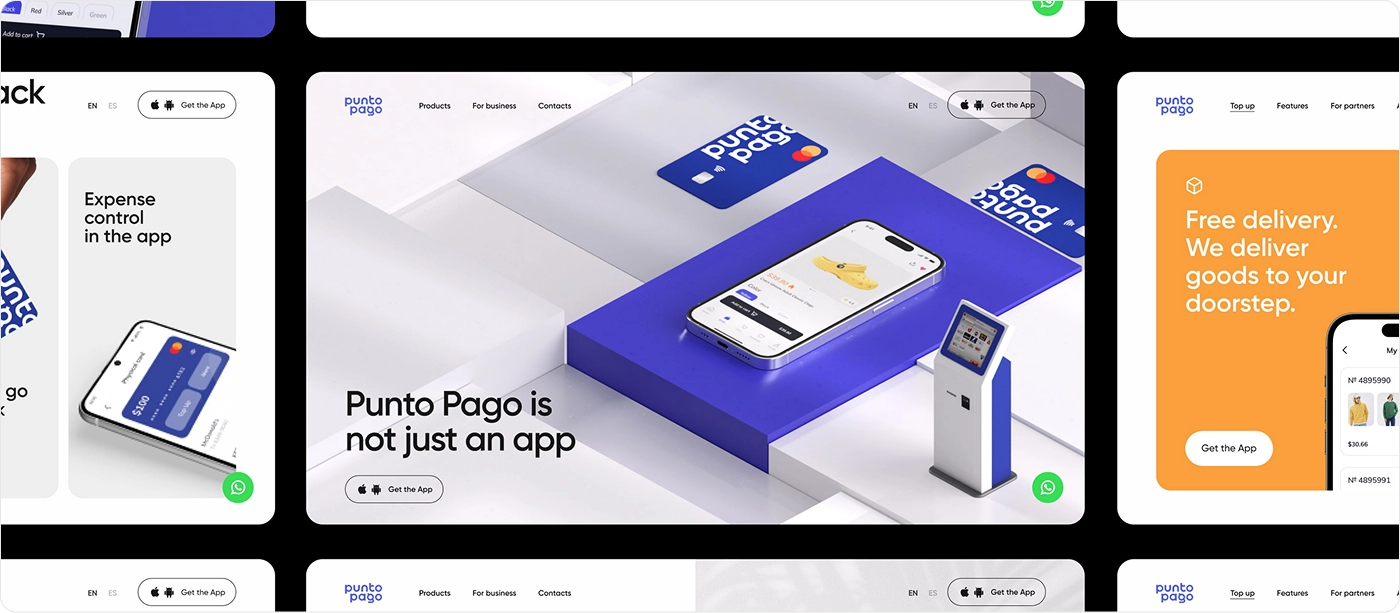
Our collaboration began in 2018 with branding and the company’s first mobile app. Eight years into the collaboration, we continue helping the team introduce new features and refine how people use the product.
Start with how people already use the service
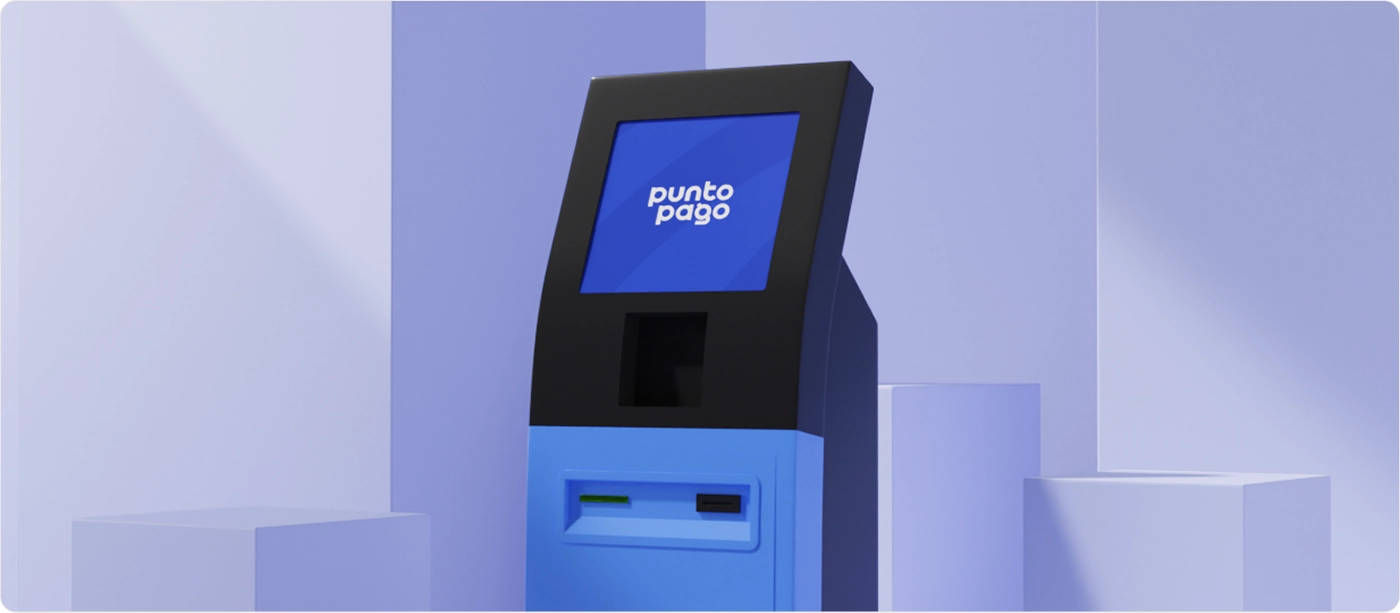
Before Punto Pago had a mobile app, its customers made payments through physical terminals. The business already existed, along with its customers and the everyday needs it served.
Our initial task was to bring those payments into a mobile experience and create the branding to support it. Moving an existing service to a phone can make familiar actions more convenient, but it also changes the context in which people perform them.
A customer using a terminal completes a task at a particular location. With a mobile app, they can access the service wherever they are, whenever they need it.
For projects like this, we begin by understanding the existing service: why people use it, which parts are familiar and where they encounter friction. That gives the first digital version a practical foundation.
As the business grows, the interface needs new priorities
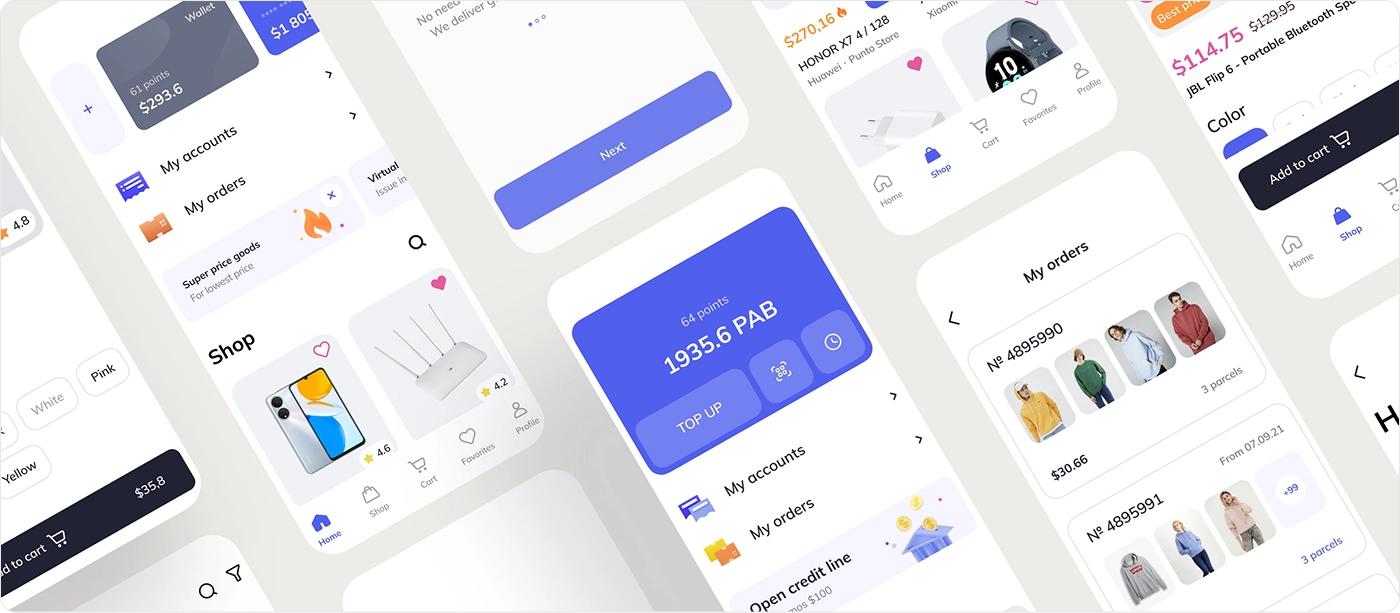
Punto Pago gradually expanded beyond its original payment use case into a broader financial product, including cards, credit, transfers and a marketplace.
Each addition introduces decisions that extend beyond the new feature itself. Where should it appear? Who needs to see it? How does it relate to the customer’s balance, payments or purchases? What needs to be explained before someone can use it?
These questions become more important as the product grows. The home screen has limited space, and existing customers still need easy access to the actions they already know.
We approach this as a question of priorities. Some features deserve immediate visibility. Others are more useful within a particular task or at a later stage in the customer’s relationship with the product.
Those priorities also need to change over time. A feature that initially seemed secondary may become an important part of the business. The interface needs to reflect that shift.
Use analytics to plan the next sprint
After a feature goes live, analytics helps the product designer decide what to work on next. The team may already have a backlog, but usage data can reveal something worth addressing sooner. If people rarely reach a new feature or consistently leave at the same step, that finding can become a concrete design task for the next sprint.
Sometimes it makes sense to adjust the current sprint. A feature that is difficult to find may need a change in placement before the team invests more time in extending it. The designer can bring that finding to the product team, propose an adjustment and agree on its priority.
With Punto Pago, usage data led us to reconsider the placement of microloans. The feature was already available, but the usage numbers were low. We moved it to a prominent position on the home screen. Usage increased after the change, and microloans became a more important part of the product.
Plan beyond the first release
Today, our work with Punto Pago includes developing new features in collaboration with its product director. Our job is to work out how each feature should fit into the app and how customers will use it. Usage data helps us make those decisions and spot existing problems that deserve attention.
It helps to discuss this ongoing work at the start of a project. Agree on what the first release needs to achieve and how you will decide what comes next. Promising too much upfront leaves the team responsible for making all those features work together before it knows whether customers need them. You can put a lot into an MVP and still launch something people struggle to use.
Staying with the product means seeing the consequences of those decisions. Over time, the team learns why a feature was introduced, what has already been tried and which constraints shaped the work. New tasks arrive with that history behind them.
AI needs access to this context too. Without it, a suggestion may overlook a business constraint or repeat an approach the team has already tried. Keeping project records helps, but someone still needs to assess whether the recommendation fits the product today.
For a client, an ongoing partnership means less time bringing a new team up to speed. For the design team, it means taking responsibility for how the work performs after launch. With Punto Pago, we have been able to follow our decisions into everyday use and revisit them as the product grows.
Planning the next stage of your product?
We help teams launch digital products and continue improving them as the business grows. Tell us what you’re working on and where you need support.