How Long Does a Website Redesign Take?

A website redesign can take weeks or several months. The difference usually has less to do with the number of pages than with what actually needs to change.
If the existing structure works, the content is ready and the technology can stay, the project may mainly involve a new visual direction and frontend updates. If the company is changing its positioning, restructuring the website, rewriting content, replacing the CMS or migrating a large amount of existing content, the same “website redesign” becomes a much larger project.
At Cuberto, the timelines we typically see look roughly like this:
| Project type | Typical timeline |
|---|---|
| Focused visual refresh | 4–6 weeks |
| Small custom marketing website | 1.5–2 months |
| Complete corporate or SaaS redesign | 2–3 months |
| Complex enterprise website | 4+ months |
These are starting points rather than fixed packages. The final schedule depends on the scope, content readiness, technical requirements and how quickly decisions can be made throughout the project.
What actually determines the timeline
How much needs to change
A visual refresh is very different from rebuilding the website around a new business strategy.
If the information architecture, content and technology can remain largely unchanged, design and development can move relatively quickly.
If the project also involves new positioning, UX research, a rebrand, content restructuring or a new technical platform, those stages need to happen before the website can be designed and built properly.
This is why we rarely estimate a redesign based on page count alone. A website with 50 URLs may rely on a small number of reusable templates. Another website may contain only 10 pages but require custom layouts, interactions and content for almost every one of them.
Content readiness
Content has a major impact on the schedule. Designers need realistic copy to establish hierarchy and page structure. Developers need to understand the content model before configuring the CMS. Photography, video, illustrations and 3D assets can also influence both design and development.
Technical complexity
A straightforward marketing website and a platform connected to several internal systems are very different development projects. The timeline may increase when the website includes:
- complex CMS requirements;
- CRM or third-party integrations;
- multilingual content;
- advanced search and filtering;
- custom animation or WebGL;
- large content migrations;strict security or infrastructure requirements.
These dependencies are best identified during discovery rather than halfway through development.
Feedback and decision-making
Website redesigns involve decisions at almost every stage.
Projects move faster when there is a clear project owner on the client side who can consolidate feedback and make sure the right stakeholders are involved at the right time.
That does not mean decisions need to be rushed. It simply helps the project maintain momentum and prevents contradictory feedback from sending the team in several directions at once.
Four projects, four very different timelines
Page count is one of the easiest things to measure during presale, but it can also be misleading.
Looking at several Cuberto projects shows how differently scope, visual complexity and technical requirements can affect the schedule.
FlipaClip – around 3 months
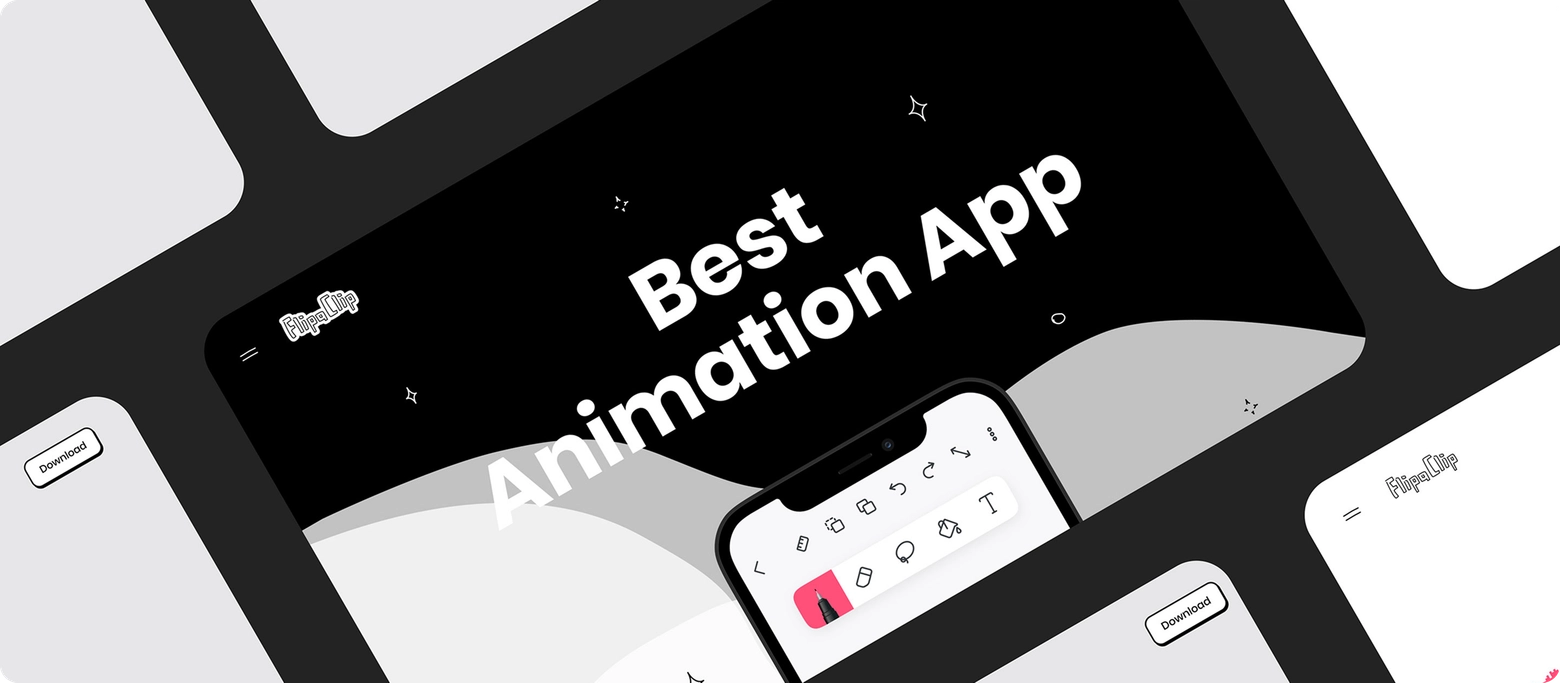
FlipaClip was a relatively small website with fewer than five main pages. Based on page count alone, it would have been easy to assume that the entire project could be completed in around four weeks.
The reality was very different. The website relied heavily on custom visual storytelling, animation and interactive elements. Designing these experiences, prototyping them and making sure they worked consistently across devices required significantly more time than the number of pages suggested.
The final timeline was around three months.
The lesson: a five-page website with complex interactions can take longer than a much larger website built from reusable components.
Sweeping Corp of America – 4 plus months

Sweeping Corp of America was a much more typical enterprise redesign. The project involved a complete overhaul of an existing corporate website, a large amount of content, multiple business areas, custom interactions and a migration to a new hosting environment.
Projects at this scale also require more coordination, testing and technical preparation before launch. The complete redesign took more than four months.
The lesson: for enterprise websites, infrastructure, content, internal approvals and technical coordination can affect the timeline just as much as design and development.
AppFlowy – around 2 months
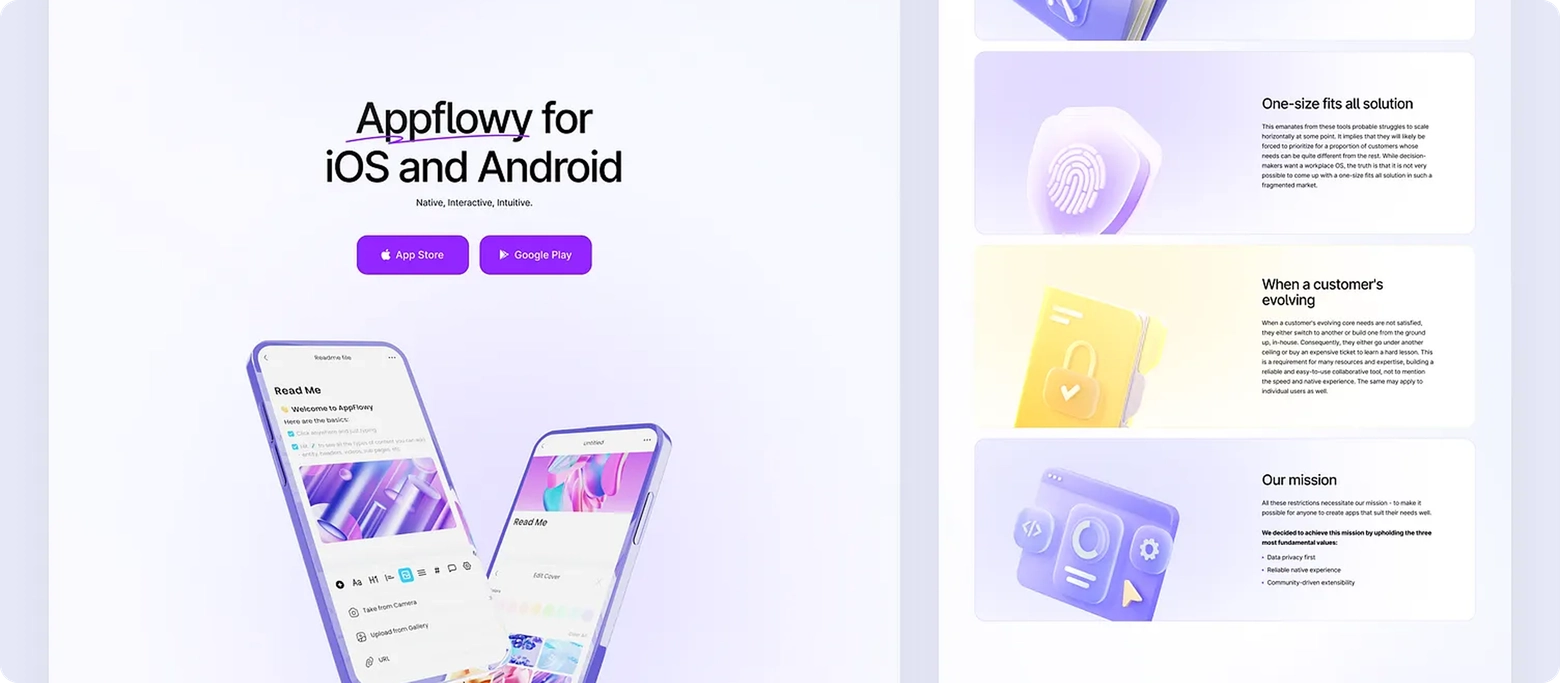
AppFlowy is a large, content-rich product website with many pages. On paper, its size might suggest a longer production schedule. In practice, many pages followed consistent patterns, custom interaction was kept relatively limited and the design system could be reused efficiently across the website.
Performance was one of the main priorities and the project also included work on the brand guidelines. The redesign was completed in approximately two months.
The lesson: a large website does not necessarily mean a long redesign when the structure is systematic and the number of unique templates is limited.
Voum – around 4 weeks
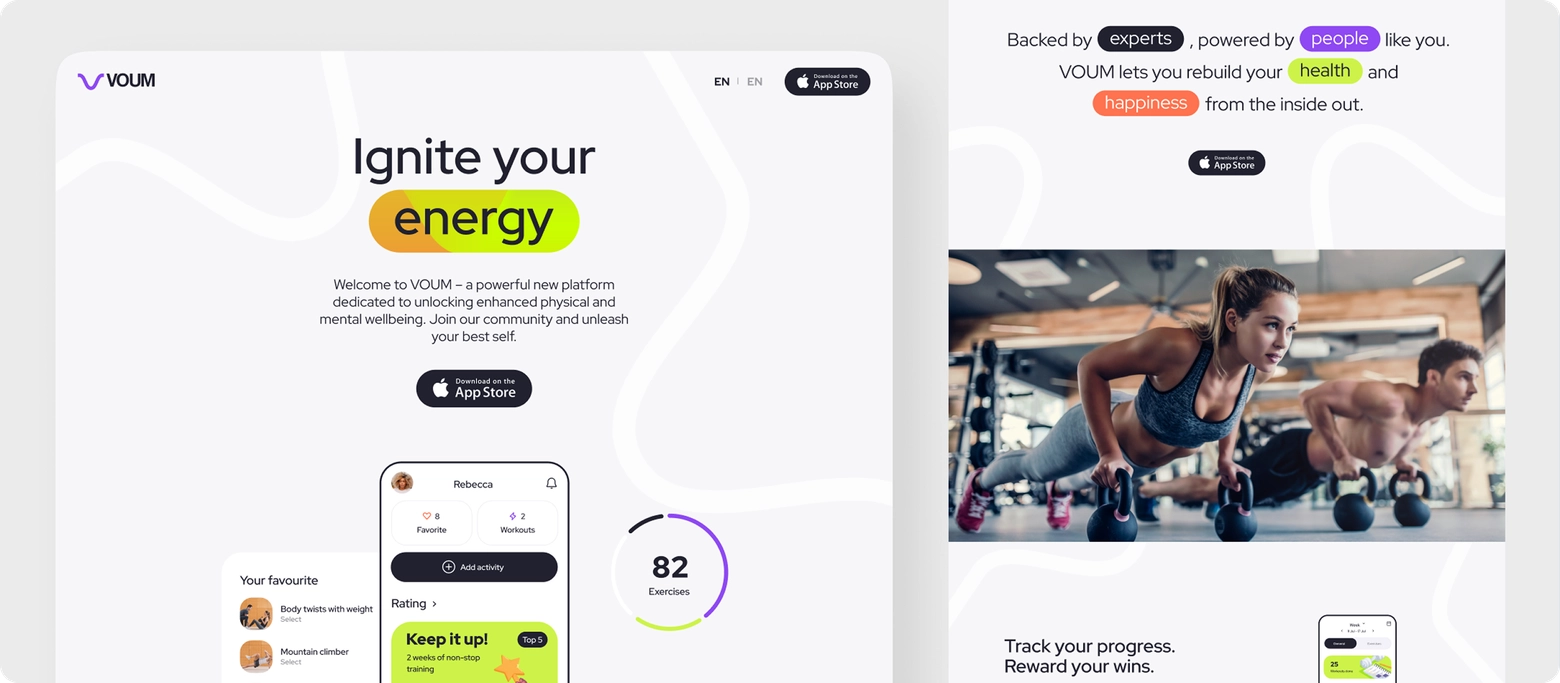
Voum was at the opposite end of the spectrum: a focused promotional website for a mobile app. The scope was compact, the structure was straightforward and there were relatively few technical dependencies.
We handled the project end to end and completed it in around four weeks.
The lesson: when the scope is focused and decisions can be made quickly, a complete custom website can be launched within a month.
Our website redesign process
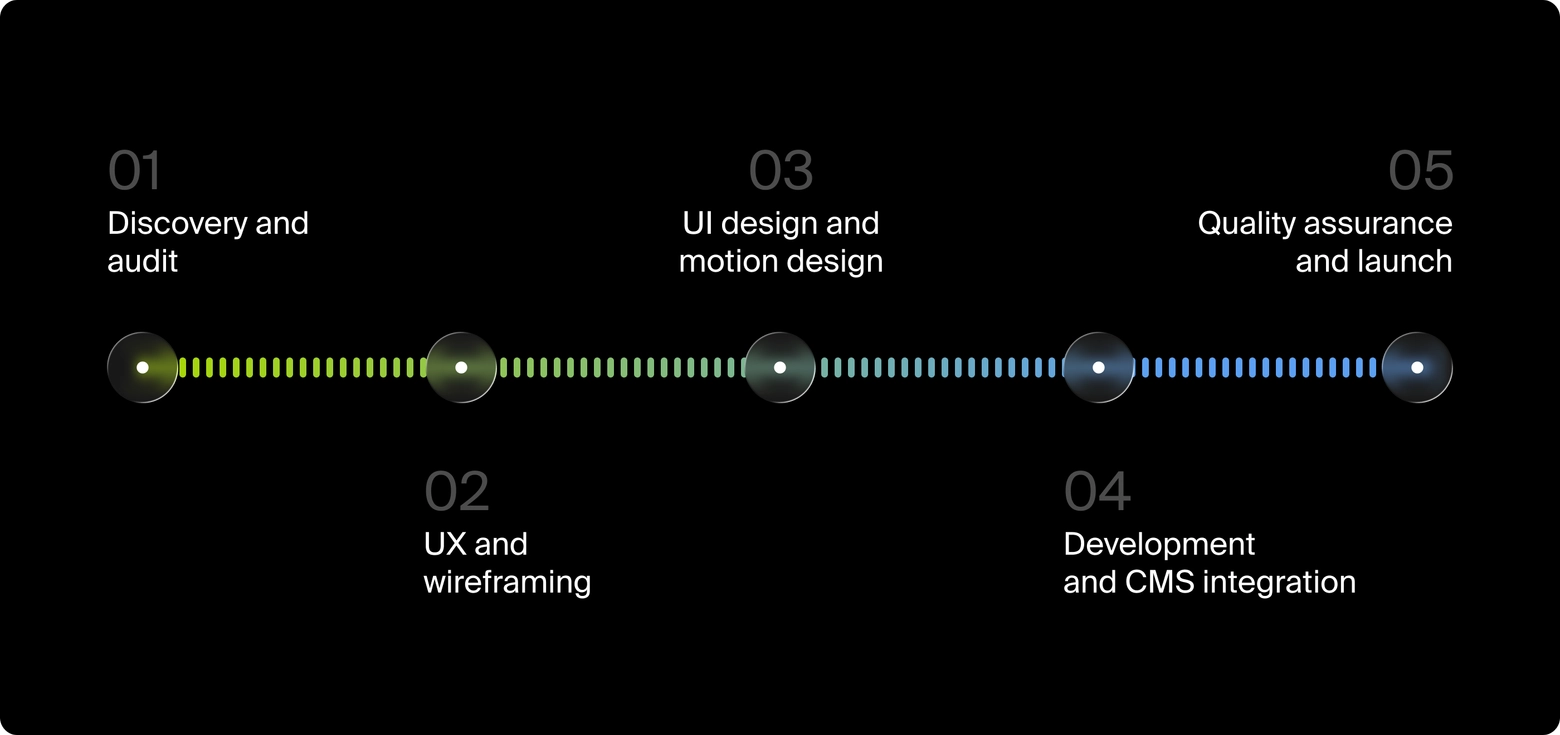
Every project is different, but most Cuberto website redesigns move through five main stages.
1. Discovery
We begin by understanding the business, the audience, the current website and the reason for the redesign.
Depending on the project, this may include stakeholder conversations, analytics, competitor research, content review and an audit of the existing user experience.
The goal is to establish what needs to change and what is already working well enough to preserve.
2. UX and Structure
Once the problem is clear, we define how the new website should work. This includes information architecture, navigation, key user journeys, page hierarchy and wireframes for the most important templates.
Content planning usually happens alongside UX because the two are closely connected.
3. UI and Motion Design
We usually start with one or two key pages to establish the visual direction and get it approved.
Once the style is defined, we move on to the remaining pages and responsive layouts, applying the same visual principles consistently across the website.
4. Development and CMS
Development does not always need to wait until every page is completely finished. Once the core design system and main components are approved, our developers can begin implementation while the design team continues working on secondary pages.
This stage may include frontend development, CMS integration, forms, animations, third-party integrations, analytics implementation and technical SEO.
5. QA and Launch
Before launch, we test the actual website across devices and browsers, review responsive behavior, forms, CMS functionality and content.
Once everything is approved, we deploy the website to production. After launch, we run a final production check and verify that analytics and tracking are working correctly.
These stages often overlap. A three-month redesign does not mean every phase happens one after another.
Good planning allows design, development and content work to move in parallel once the foundation is stable.
What commonly extends a website redesign timeline
Every project is different, but most Cuberto website redesigns move through five main stages.
a) Scope changes
New requirements sometimes appear during discovery or design and they can be valuable additions. New requirements affect the timeline when they increase the scope without a corresponding adjustment to the schedule.
If a new feature or section becomes important, we usually look at whether something else should move to a later phase.
b) Content arriving late
One of the most common sources of additional work is designing with placeholder content and replacing it with final material near the end of the project.
Real copy may require a different hierarchy. New imagery may change layouts. A case study containing ten images behaves very differently from one containing two.
Starting content early reduces redesign and rework later.
c) Additional brand or media production
A website redesign may also include a new identity, photography, illustration, video, 3D or complex motion.
These elements should be planned as part of the project rather than treated as decoration added near the end.
They can affect creative direction, page structure, development and performance.
d) Technical dependencies
External systems can introduce uncertainty. An integration may require additional documentation, access permissions or coordination with another technical team.
Identifying these dependencies early makes the schedule much easier to plan accurately.
Can a website be redesigned faster
The question is not simply whether a website can be redesigned faster, but what can realistically be designed, built and tested within the available time. In most cases, the best way to shorten the timeline is to prioritize the scope rather than compress every stage of the process.
For example, a company preparing for an important launch might begin with the homepage, key service pages, strongest case studies and contact flow, then release secondary sections later.
A one-month timeline can be realistic for a focused redesign or a small website when the content is ready and the technical requirements are limited.
A realistic timeline starts with the scope
Website redesign timelines become much easier to predict once the scope is clear.
The key question is not how many pages need to be redesigned, but how much of the website needs to change. Defining these requirements early allows the team to build a realistic schedule, identify where work can happen in parallel and avoid rushing the stages that have the biggest impact on the final result.
If you are planning a redesign, send us your current website, project goals and preferred launch date. We can help define the right scope and a realistic timeline for the project.
Frequently Asked Questions
How long does a typical website redesign take?
A focused redesign may take around four to six weeks. Small custom marketing websites usually require around one and a half to two months, while corporate and SaaS websites often take two to three months. Complex enterprise projects may take four months or longer.
What usually makes a website redesign take longer?
The most common factors are additional scope, content production, slow approvals, complex integrations, rebranding, custom media and large content or SEO migrations.
Can design and development happen at the same time?
Yes. Once the core design direction and component system are established, development can often begin while designers continue working on secondary pages and states.
Can you redesign a website in one month?
For a focused visual redesign or a small website with finalized content and limited functionality, yes. For a complete corporate redesign involving strategy, UX, content and custom development, one month is usually not enough.
Does content need to be ready before the redesign starts?
Not completely. In fact, content and design often develop together. But the earlier the team understands what content needs to exist, who will create it and when it will be available, the easier it is to keep the project on schedule.